LGBTQ+ Symbols To Include (Without Falling Back on the Rainbow)
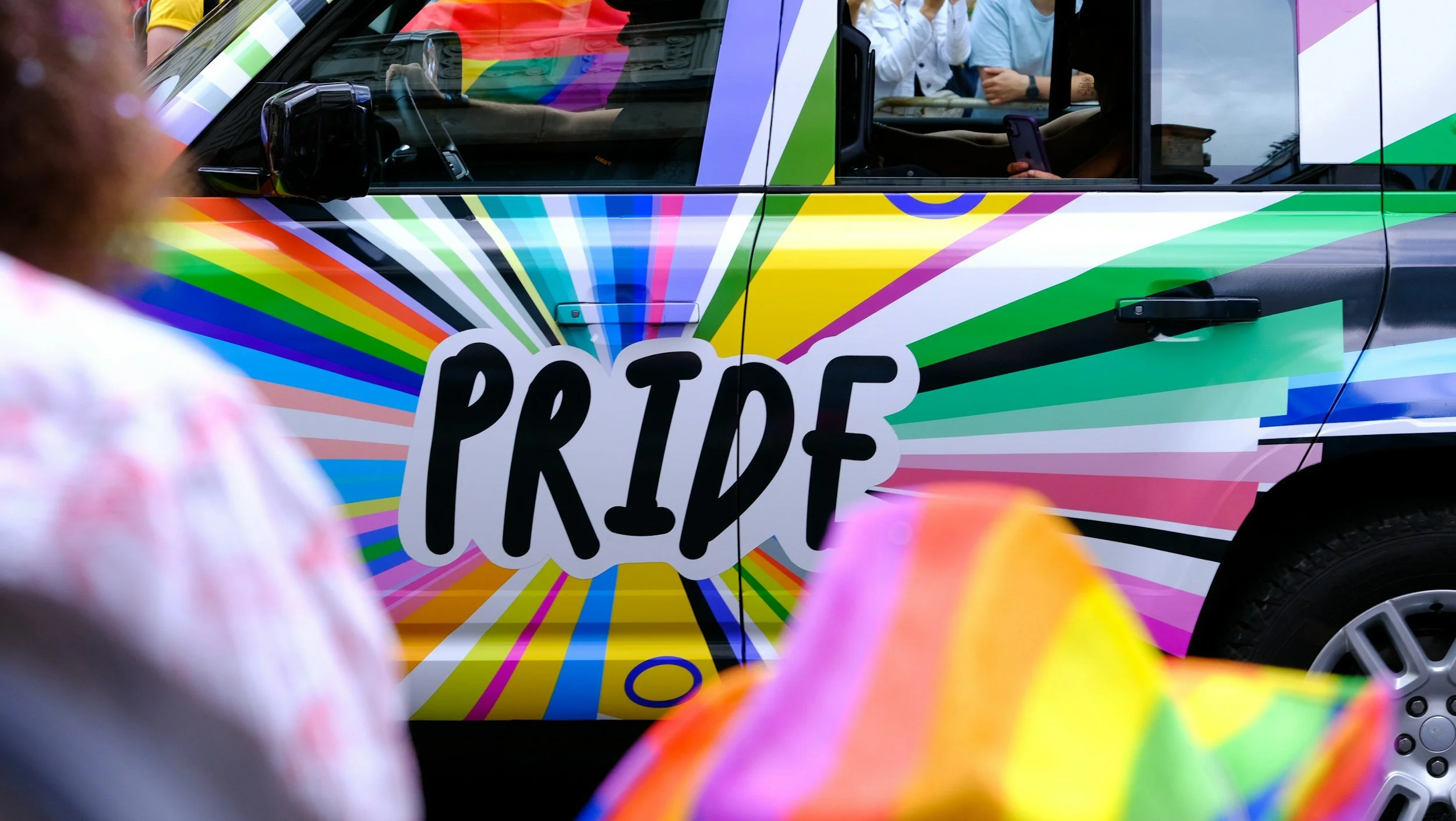
Photo by Semyon Borisov on Unsplash
Rainbow flags have been used to symbolise many organisations and peoples over the years, but it wasn’t until the late 1970s that it was used as a symbol in the LGBTQ+ community. As an LGBTQ+ symbol, it is eye-catching and easily recognisable.
However, companies who claim to support the community often see the rainbow as a simple symbol that is easy to slap onto company logos during Pride Month without putting any significant thought into how their company can work to raise awareness or support inclusion.
This guide is intended to teach writers more about the many other LGBTQ+ symbols you can include in your work.
Symbolic History of the Rainbow
The rainbow has a long history as a symbol.
Many religious mythologies include symbolic depictions of the rainbow:
Iris was the messenger goddess of the rainbow worshipped in Greek mythology
The creator god in Aboriginal mythology was a rainbow snake
Heimdall guarded the Bifröst bridge, a rainbow bridge leading to Asgard in Norse mythology
In Judaism and Christianity, it is believed that God used the rainbow as a promise never to flood the Earth again.
The rainbow is often associated with children, particularly the youngest division of Girl Guides in the UK.
During Covid-19 it became common in the UK to use the rainbow as a symbol of support and appreciation for NHS and health workers.
Flowers
Flowers are a common part of any important event and Pride parades are no exception.
Green Carnations
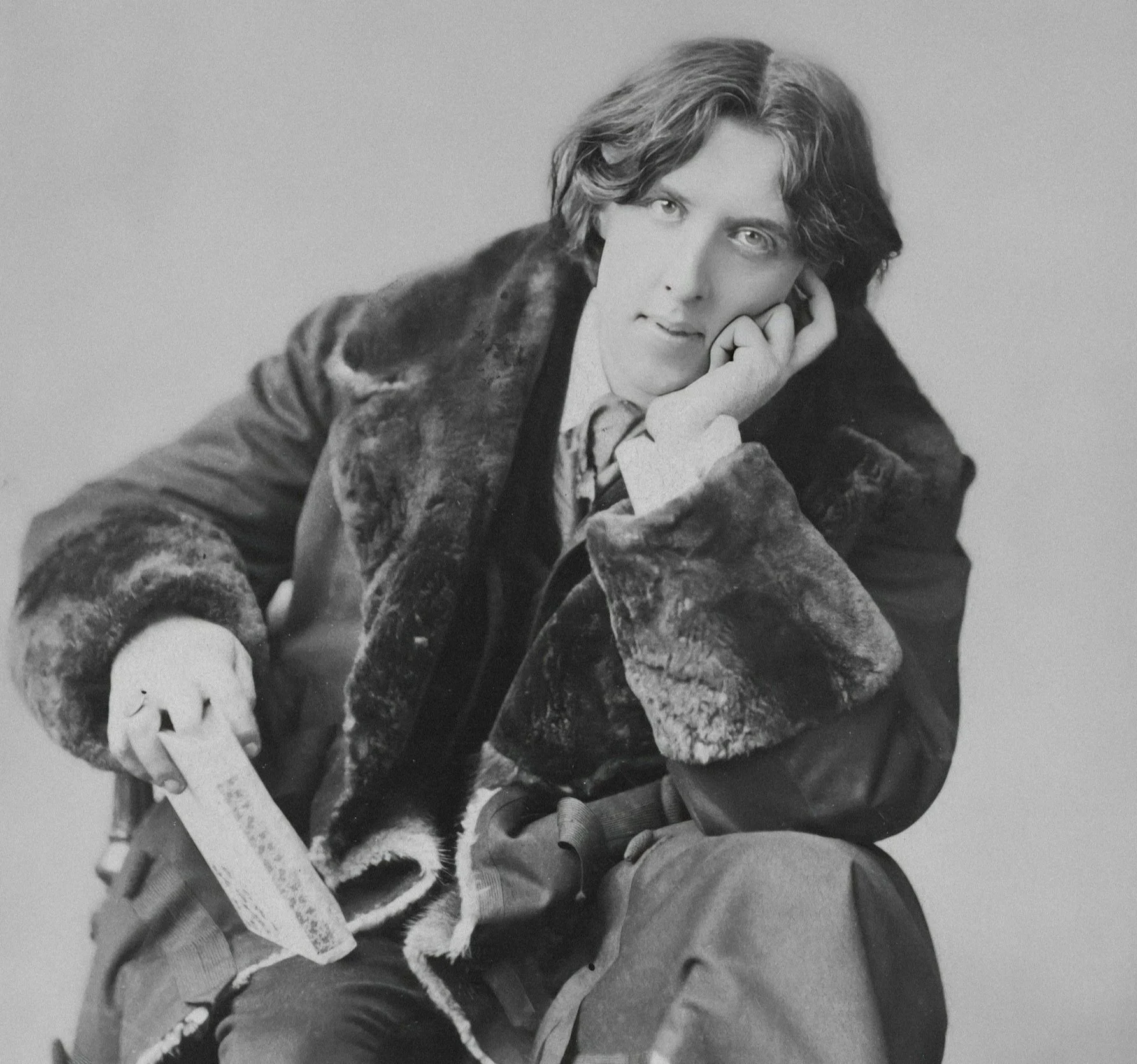
Oscar Wilde
The year is 1982 and Oscar Wilde’s Lady Windemere’s Fan is about to debut. You can identify Wilde’s friends amongst the excited audience by the green flowers on their lapels. Why did Wilde ask his friends to don this artificially dyed flower? No one knows. While Wilde claimed that the green carnation meant ‘nothing whatever’ (he may not have been subtle, but he wasn’t stupid), the prosecution used the green carnation as evidence of his homosexuality in his trial.
Ever since its first appearance, the gay community has claimed the green carnation as a symbol of pride and a worthy tribute to one of history’s most flamboyant and fabulous gay writer.
Violets
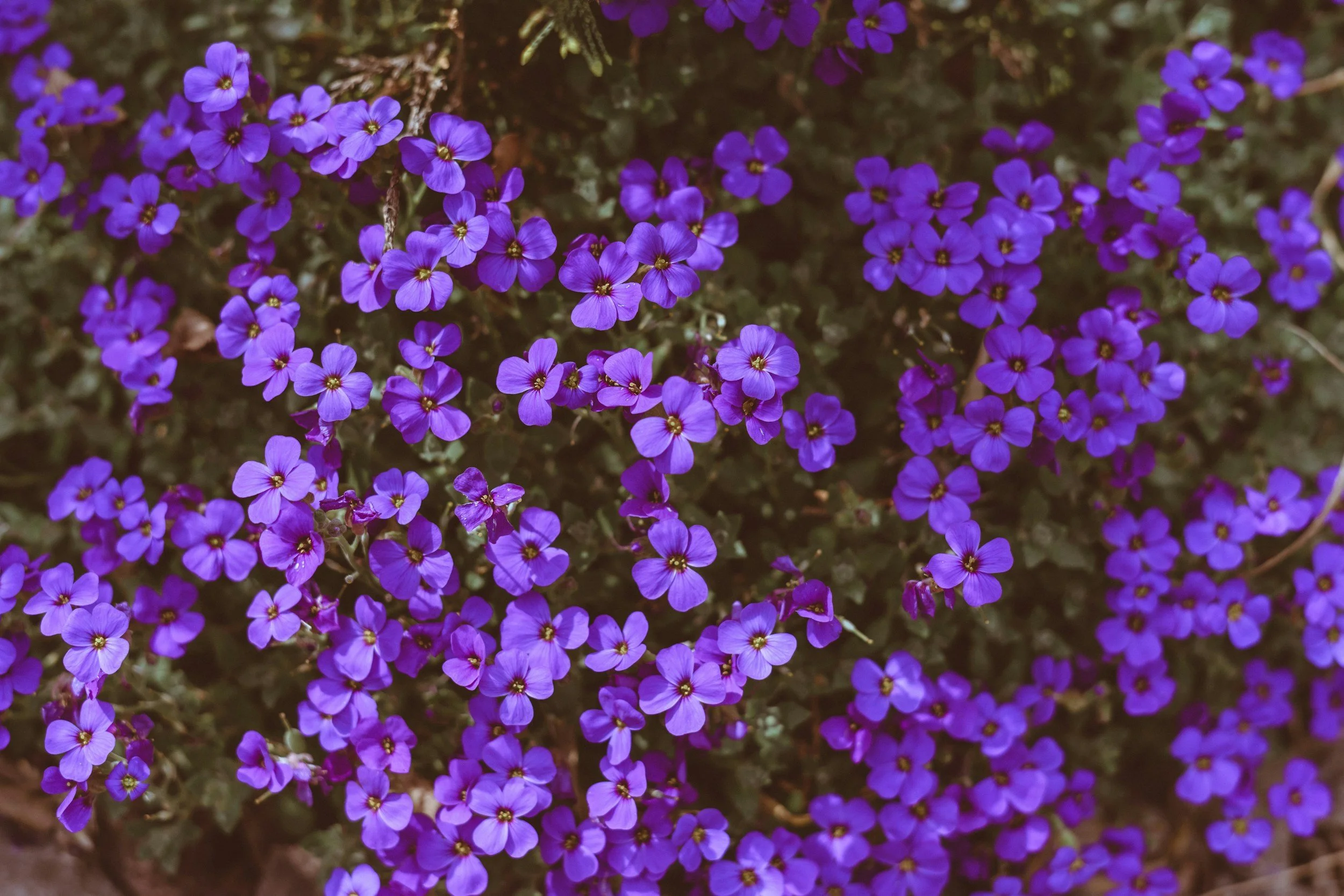
Photo by Artiom Vallat on Unsplash
Living at the turn of the sixth century BCE, Sappho was writing, amongst other religious and war-related topics, erotic lesbian poetry. Despite the distance in time, Sappho remains one of the most influential symbols of lesbianism today, lending us the words ‘sapphic’ (from ‘Sappho’) and ‘lesbian’ (from her home island, Lesbos).
This was not Sappho’s only bequest to queer women. Violets are a recurring symbol in Sappho’s poetry; she often describes beautiful women bedecked with violets or other purple flowers in their hair or around their necks. Thus, the violet, as a flower and a colour, has become a symbol of lesbian pride and the power of women.
Lavender
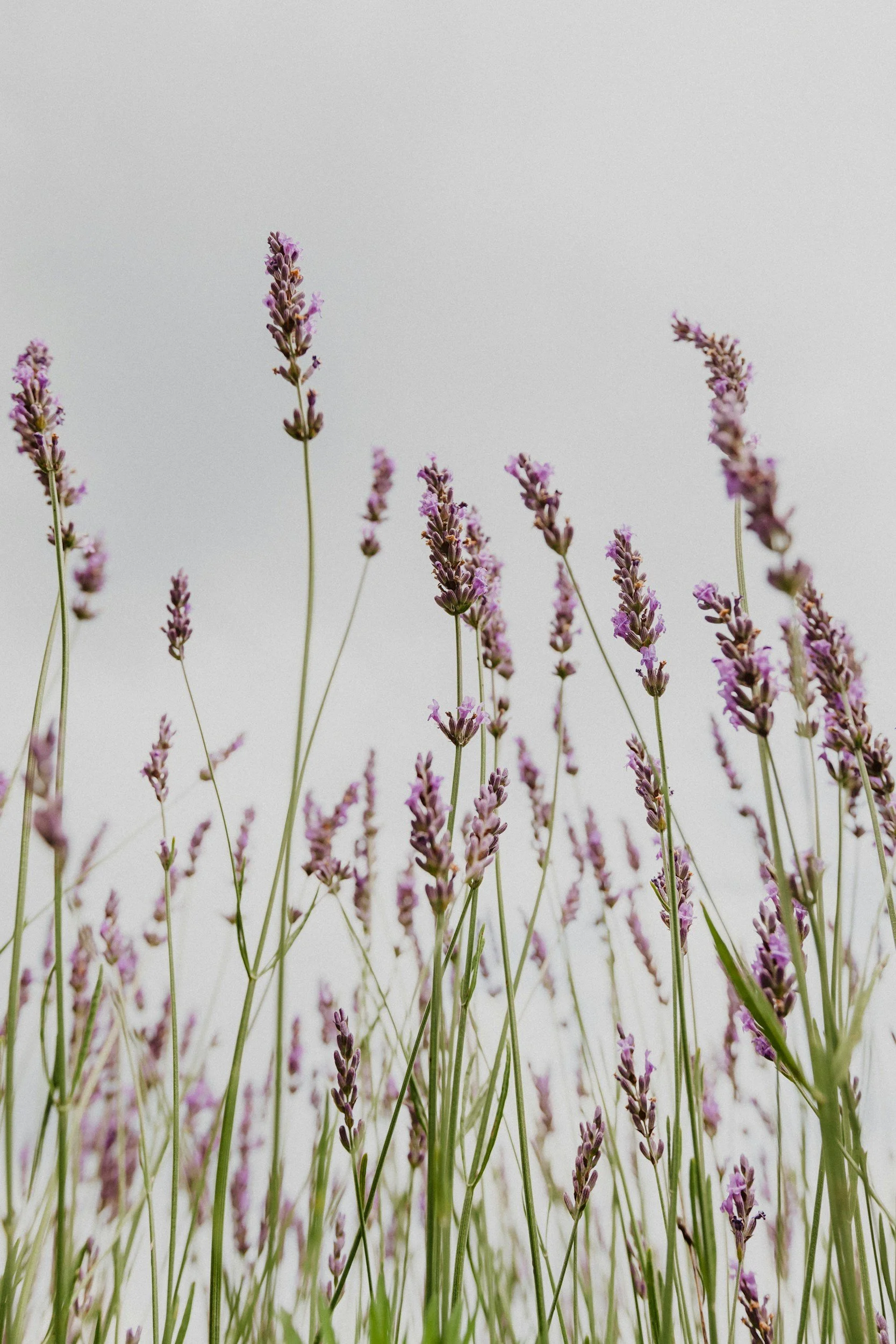
Phoo by Sarah Janes on Unsplash
Lavender is another flower with its LGBTQ+ connections dating back to Sappho. Lavender has been used to refer to the queer community in several ways. One of these was the ‘Lavender Scare’, an attempt by the US government to remove all gay men and women from federal positions. Lesbians reclaimed the phrase ‘lavender menace’ from the US feminist organisations that sought to ostracise them.
In the seventies, ‘lavender’ again became an American symbol of LGBTQ+ visibility and pride in the form of the ‘lavender rhino’. This was an advertising campaign aimed at raising awareness and acceptance of queer people in Boston, Massachusetts. What better way to shoulder to the forefront of public thought and demand respect than with one of the earth’s largest animals?
Pansies
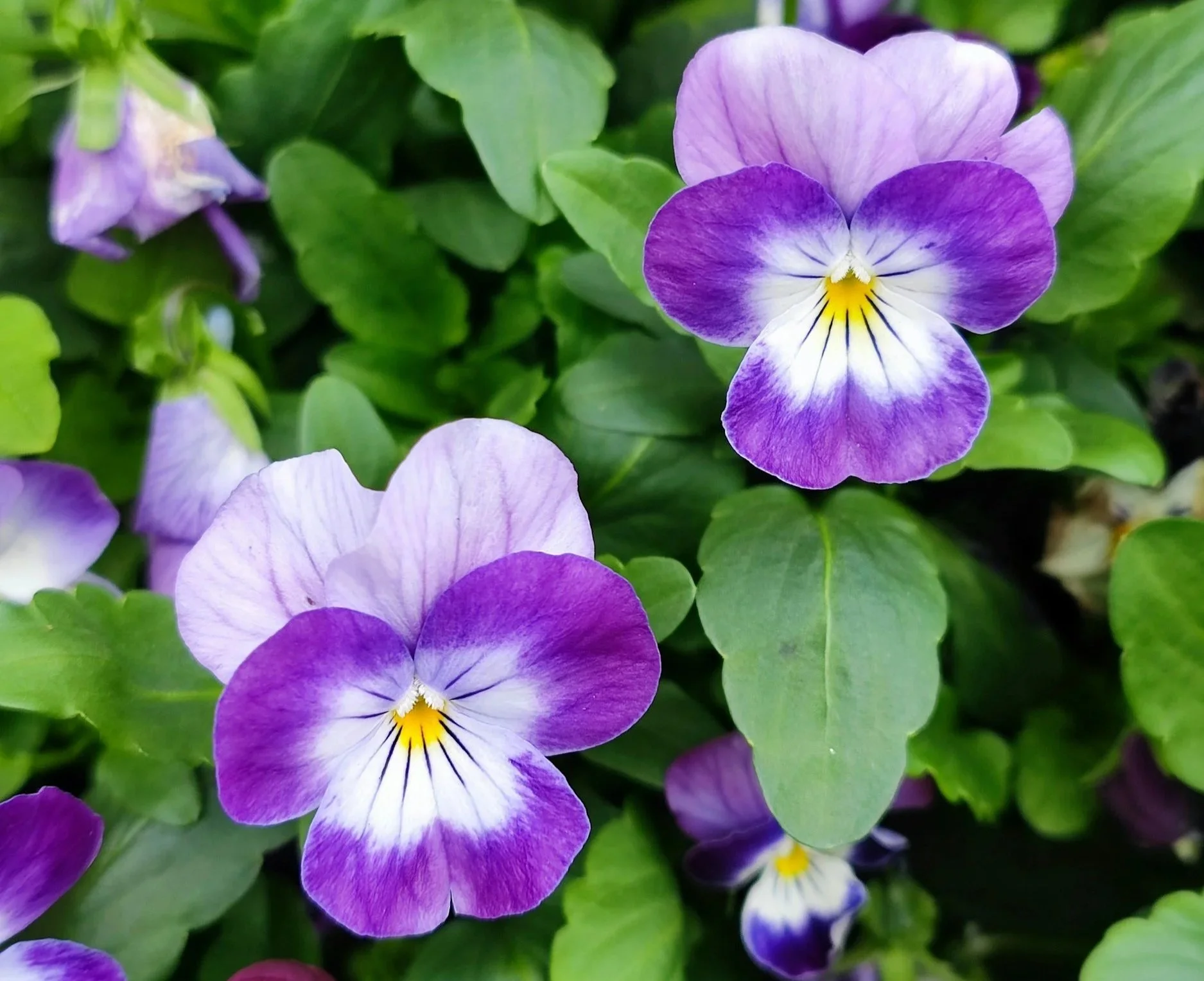
Photo by Cheung Yin on Unsplash
Since the beginning of the 20th century, the word ‘pansy’ has been used as an, often offensive, term for a gay or effeminate man. The ‘Pansy Craze’ was the name given to the rise in popularity of queer and drag bars in the inter-war years in the US.
More recently the pansy has become a symbol of respect for the LGBTQ+ community. The Pansy Project, founded by artist Paul Harfleet, strives to mark spaces where homophobia and transphobia occurred by planting a pansy and leaving a note that states the abuse people experienced on the street.
Roses

Photo by ameenfahmy on Unsplash
In Japan the rose, much like the ‘pansy’ in other parts of the world, was used as a pejorative term for gay men. Once again, the queer community reclaimed the symbolism of this flower by turning it into a positive symbol representing queer pride.
The rose is also a symbol of the transgender community, popularised through the phrase ‘give us our roses while we are still here’, which refers to violent and fatal transphobic attacks.
Shapes
Bi-angles
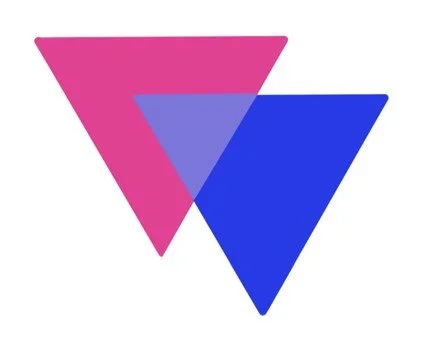
One of the earliest bisexual symbols was the use of ‘bi-angles’, downwards pointing, overlapping pink and blue triangles. A blue triangle was added to the familiar pink triangle symbol and we, again, encounter the lavender colour in the overlap. This symbol went on to inspire the bisexual flag and the bi moons symbol.
Bi Moons or Double Crescent Moons
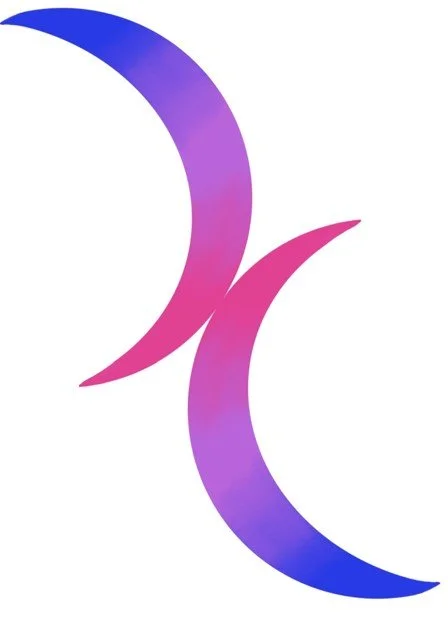
Vivian Wagner, inspired by bi-angles, created the bi moons symbol in 1998. This symbol rejects the use of the pink triangles and its links to the Nazi party but often maintains the pink-lavender-blue colour scheme (although rainbow variants are also popular).
Pink and Black Triangles
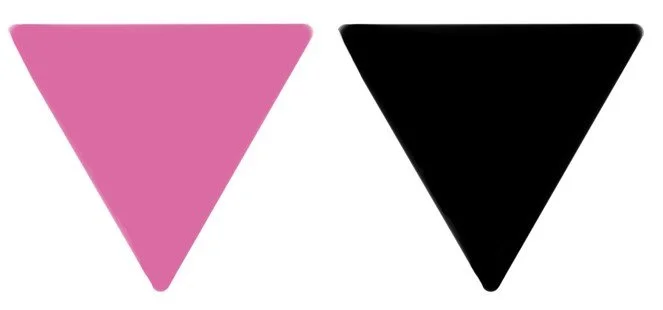
The Nazi party used different coloured triangles to denote categories of ‘undesirable’ people. One of these symbols was the pink triangle. Nazis forced gay men to wear a downwards-pointing pink triangle, and lesbians were forced to wear a black one.
Gay men continued to suffer as a result of being labelled with a pink triangle even after the war had ended and many left concentration camps and went straight into prisons.
The black triangle was not specifically aimed at gay women, but at several groups of people that the Nazis thought were lesser or were not contributing to their ideal version of society (in the case of lesbians, by not reproducing).
Despite the trauma and the dreadful origins of these symbols, both the LGBTQ+ community had reclaimed the pink and the black triangles by the seventies. Their use was designed to both force people to remember their suffering (which post-war Europe often overlooked or ignored) and to take power back from the Nazis by using their hatred as a symbol of pride and awareness.
Labrys
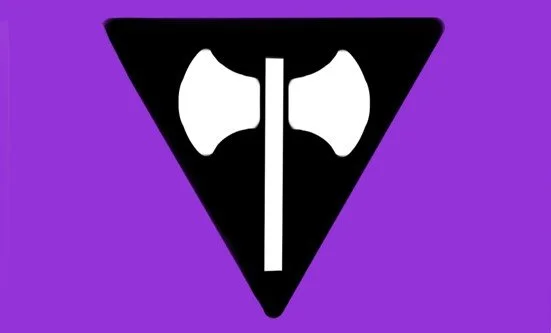
Rendition of the Lesbian Labrys Flag
The labrys is a double-headed axe. Its connections date back to female Minoan goddesses, and the Amazons, a mythical all-female warrior race. This is another example of aspects and peoples of ancient Greece being important to the LGBTQ+ community, particularly lesbians. These connections to female power led to it being chosen as a lesbian symbol in the seventies.
It is occasionally associated with trans-exclusionary radical feminism and is, in some cases, combined with trans symbols to show support for the trans community.
Lambda
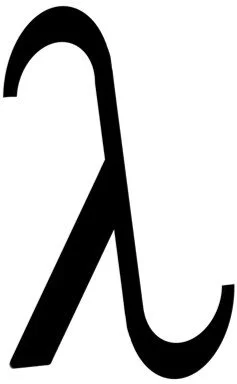
Tom Doerr selected the lower-case Greek letter ‘lambda’, , as a symbol that represents ‘a complete change of energy’. The Gay Activists Alliance used the lambda as its logo, but its popularity dwindled with the arrival of the pink triangle as a symbol of gay pride.
Transgender Symbol
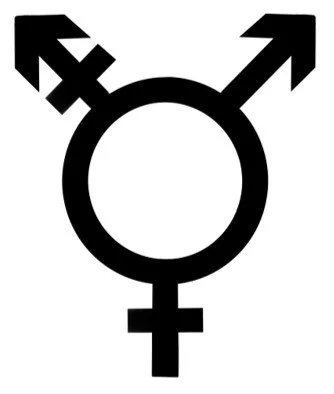
Holly Boswell designed the transgender symbol in the 1990s. It is a combination of the astrological symbols for male (Mars) and female (Venus), and of androgyny symbol. The founder of GenderTalk Radio and The Transgender Menace, Nancy Nangeroni, made the design into a pin, which helped to boost its popularity.
This symbol signifies either that a person is transgender or that a person wishes to support trans people and trans rights.
Accessories
HandKerchief Code
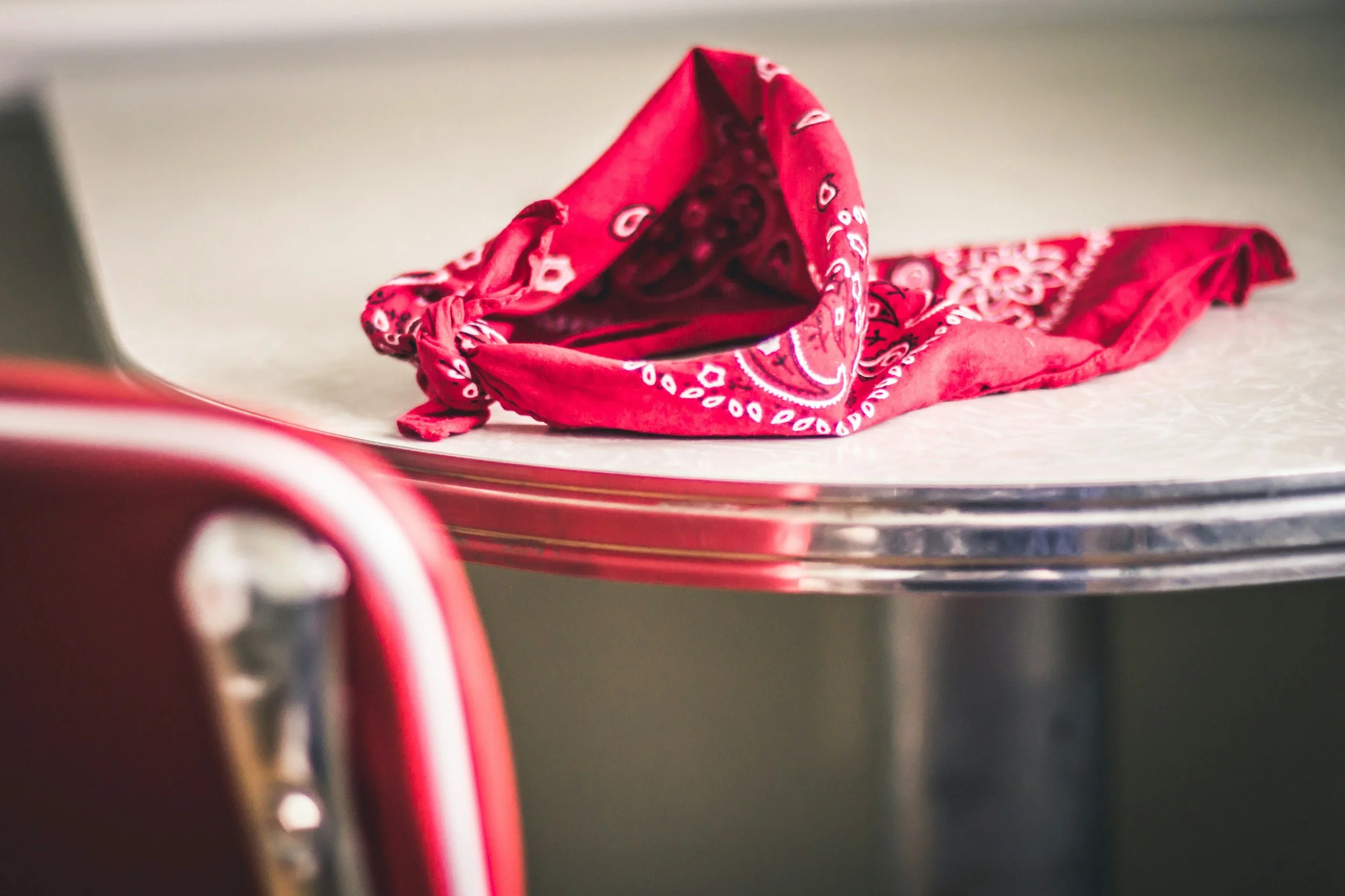
Photo by Steve A Johnson on Unsplash
We move now into the realm of sexual pride and fetishes. In its earliest form, the handkerchief code is believed to originated during the American Gold Rush and consisted of a blue handkerchief and a red handkerchief. They were used to distinguish the male and female roles during square dancing at a time and in a place where there were few women.
In the seventies it evolved into a more complicated system used by gay men aimed at discreetly signalling preferred sexual position and fetishes.
Lesbian Manicure
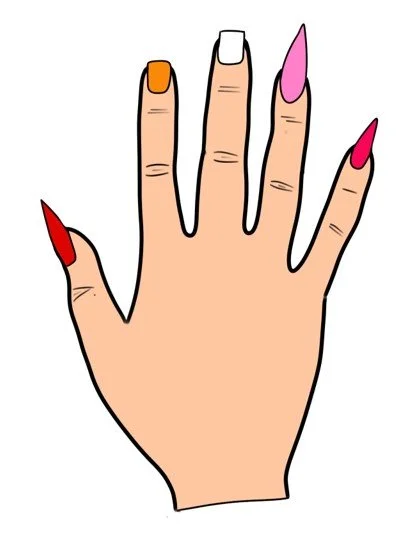
The lesbian manicure is a choice of nail design and shape that is often chosen for practical purposes and as a rejection of stereotypical/heteronormative beauty standards.
Lesbian nails can refer to the conscious choice to keep certain nails short to prevent injury during intimacy. Most commonly, a lesbian manicure refers to a style of nails that gained popularity in the early 2000s. It includes short nails on the index and middle fingers but longer, ‘traditional’ manicured nails on the other fingers.
It is also used as a subtle identifier amongst lesbians or as a symbol of lesbian pride or support.
Ace Ring
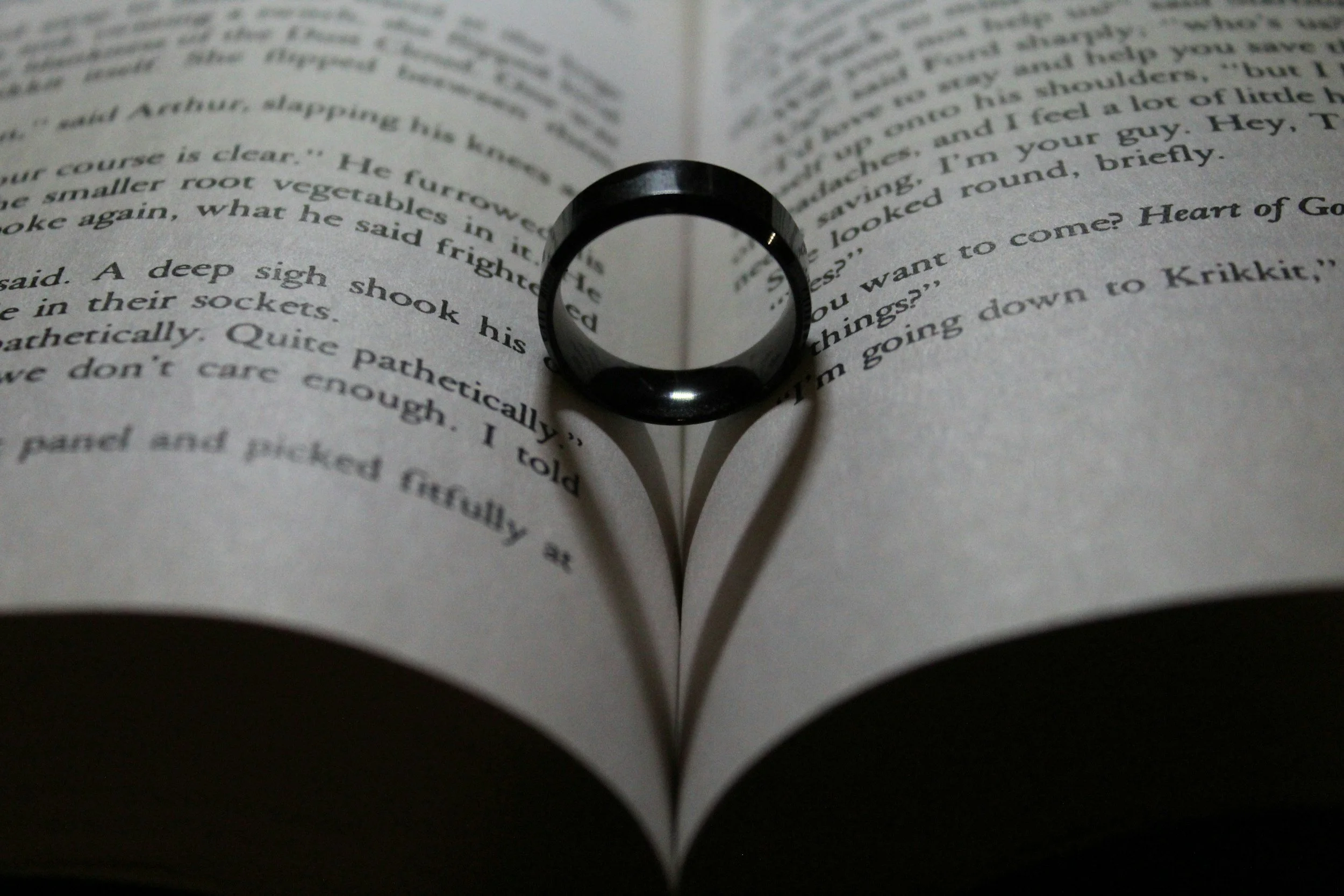
Photo by Laine Cooper on Unsplash
This is the most discreet symbol on this list. The black ace ring is a plain black ring worn on the middle finger of the right hand to distinguish it from the left hand and the association with marriage.
Only people who are asexual or on the asexual spectrum wear the ring as it is a minimalist and subtle way of indicating their asexual preference to other people, particularly other ace people. An ace ring is not worn as a symbol of support by people of other sexual preferences.
Its origins are believed to come from the Asexual and Visibility Education Network community.
FAQs
-
There are plenty of ways that you can support the LGTQ+ community:
Become more knowledgeable about the history of and the difficulties faced by the LGBTQ+ community. Being aware is the first step towards being able to help.
Be openly accepting of the LGBTQ+ community and speak up when you encounter discrimination.
Support LGBTQ+ businesses and proudly wear their merchandise, e.g. wear pin badges from All LGBTQ+ Badges – www.gayprideshop.co.uk.
-
Mind offers an array of support for LGBTQ+ people: https://www.mind.org.uk/information-support/tips-for-everyday-living/lgbtqiaplus-mental-health/useful-contacts/
-
Symbols emerge over time. Symbols celebrating being gay first start appearing in earnest in the 1970s after the legalisation banning gay sex was abolished in the UK and the US, and to become a recognisable symbol they must endure through the years. Transgender people still face legal oppression and movements supporting the trans community are smaller. This could explain why there are fewer wide-spread trans symbols.
We’ve travelled through ancient Greece and the Victorian period. We’ve struggled through the horrors on the Second World War and peeked into the beginnings of acceptance in the seventies.
The LGBTQ+ community has reclaimed symbols of hate and oppression and made known signals once known only to those in the know. Now we’re in the twenty-first century, exhibiting symbols of pride, looking back at history and forwards to an accepting and inclusive future.
The Cat and the Comma Editing
Do you have a book you’re writing yourself? Whether it’s a complete manuscript or a few chapters you want checking over, The Cat and the Comma Editing offers copy-editing and proofreading services, and sensitivity reading for LGBTQ+ fiction. For more information about the editing process of your fiction or non-fiction text, or to request a quote, please contact me via the contact page or by email at thecatandthecomma@gmail.com.
For more from The Cat and the Comma Editing subscribe to my Substack: @thecatandthecommaediting.
Links and References
Micah Bazant, ‘To My Siblings, on Trans Day of Visibility’, https://forwardtogether.org/siblings-trans-day-visibility/ 2018 (Accessed 4 June 2026).
BBC Bitesize, ‘LGBT+ History Month: Six symbols of pride’, https://www.bbc.co.uk/bitesize/articles/z33yp4j (accessed 9 June 2026).
Mara Gold, ‘Beyond the Binary: Gender, Sexuality, Power’, https://www.prm.ox.ac.uk/beyond-the-binary/labrys (accessed 9 June 2026).
Paul Harfleet, ‘About the Pansy Project’, https://thepansyproject.com/about/ (accessed 4 June 2026).
Alex Joseph, ‘Reclaiming the Pink Triangle: LGBT+ People and the Holocaust’, https://holocaustcentrenorth.org.uk/blog/reclaiming-the-pink-triangle/ 2021 (accessed 9 June 2026).
Miles Kelly, Myths and Legends, Ed. Amanda Askew, Essex: Miles Kelly Publishing Ltd, 2015.
Andrew Lear, ‘Why the green carnation?’, https://www.oscarwildetours.com/our-symbol-the-green-carnation/ (accessed: 4 June 2026).
Mona Lin, ‘Asexual Ring 2026: Meaning, Finger Placement and Symbolism’, https://thebodyrings.com/blogs/news/the-story-behind-the-asexual-ring/ 2026 (accessed 11 June 2026).
Sarah Prager, ‘Four Flowering Plants That Have Been Decidedly Queered’, https://daily.jstor.org/four-flowering-plants-decidedly-queered/ 2020 (accessed 4 June 2026).
Queer History Boston, ‘The Lavender Rhino’, https://www.queerhistoryboston.org/lavenderrhino (accessed 8 June 2026).
Sappho, Stung with Love: Poems and Fragments of Sappho, trans. Aaron Poochigian, London: Penguin Classics, 2009.
The Saint Foundation, ‘The Handkerchief Code According to “Bob Damron’s Address Book” in 1980’, https://www.thesaintfoundation.org/community/hanky-code-bob-damrons-address-book 2019 (accessed 16 June 2026).
Michele Theil, ‘Trans Awareness Week 2025: The fascinating origin story of the famous transgender symbol’, https://www.msn.com/en-gb/society-culture-and-history/gender-and-sexual-identity/trans-awareness-week-2025-the-fascinating-origin-story-of-the-famous-transgender-symbol/ar-AA1QocGm 2025 (accessed 11 June 2026).